Understanding Longevity Terminology: Key Words Used in Aging and Health Research
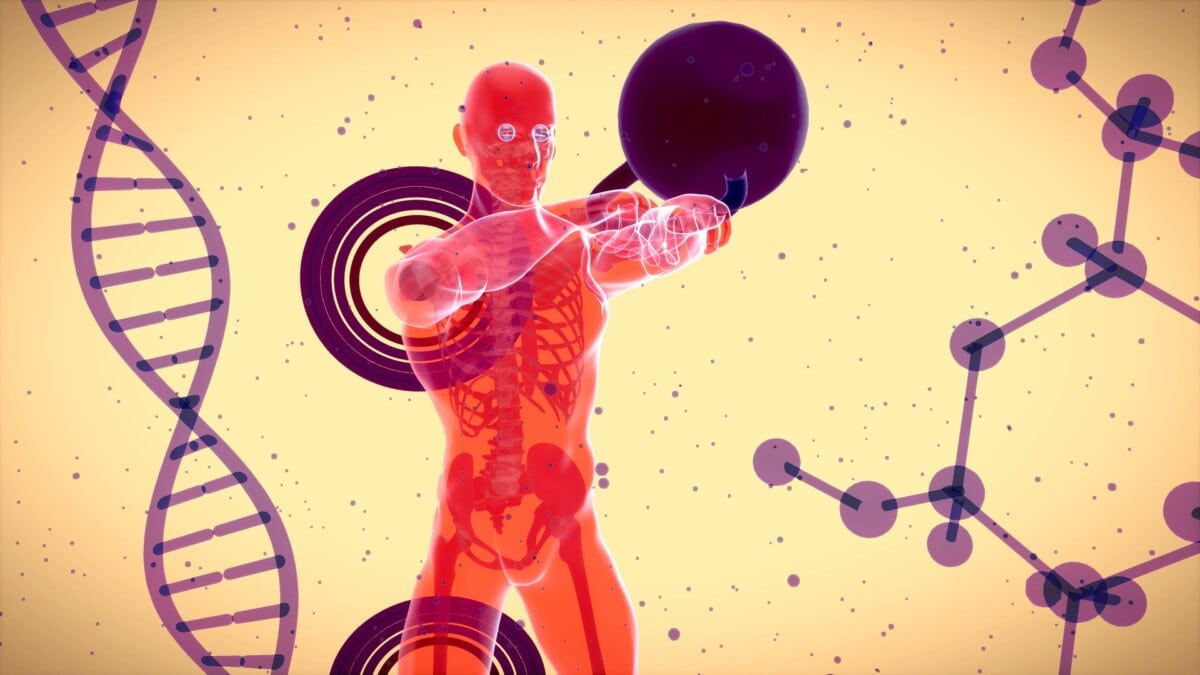
Understanding Longevity Terminology: Key Words Used in Aging and Health Research
Here is the optimized version of the article, keeping a clean structure with headings and lists but without horizontal separators.
Understanding Longevity Terminology: Key Words Used in Aging and Health Research
The study of longevity and healthy aging has gained enormous attention in recent years. Scientists, healthcare professionals, and wellness experts are increasingly focused on understanding how lifestyle, genetics, and environmental factors influence how long people live and how well they age.
However, the field of longevity research uses many technical terms that can sometimes be confusing for readers who are not familiar with medical or scientific vocabulary. Understanding these concepts is essential for anyone interested in health optimization, aging science, or preventive medicine.
Why Longevity Terminology Matters
Longevity research combines several disciplines, including biology, medicine, nutrition, and public health. Because of this multidisciplinary nature, many specialized words and abbreviations are used to describe biological processes related to aging.
Terms such as healthspan, biological age, epigenetics, and cellular aging appear frequently in scientific articles and health publications. Without a clear understanding of these expressions, it can be difficult to fully grasp the insights emerging from modern longevity research.
For readers who want to better understand the vocabulary used in aging science, resources such as this health and longevity glossary provide clear explanations of key medical and scientific terms related to longevity research.
Glossaries like this help simplify complex terminology and make scientific knowledge more accessible to a wider audience.
Essential Longevity Terms Everyone Should Know
Several important terms frequently appear in discussions about healthy aging.
Lifespan refers to the total number of years a person lives. It is the most basic measurement used when discussing longevity.
Healthspan describes the number of years a person lives in good health without major chronic disease. Many researchers believe improving healthspan is just as important as extending lifespan.
Biological age estimates how old the body is based on physiological markers such as metabolism, inflammation, and cellular function rather than chronological age.
Epigenetics refers to changes in gene expression influenced by lifestyle factors such as diet, stress, sleep, and environmental conditions.
Cellular aging describes the gradual deterioration of cells over time, which contributes to the aging process and the development of age-related diseases.
Understanding these concepts allows readers to better interpret health research and recommendations related to aging and wellness.
The Growing Interest in Longevity Research
Over the past decade, scientific interest in longevity has increased significantly. Advances in biotechnology, nutrition science, and preventive medicine are helping researchers better understand the biological mechanisms that influence aging.
New studies are exploring how lifestyle factors such as diet, physical activity, sleep quality, and stress management may influence the aging process. These discoveries have contributed to a growing movement focused on improving healthspan and promoting long-term wellness.
Researchers are also developing new tools and biomarkers that help measure biological aging more accurately. These innovations may help individuals make better lifestyle decisions to support long-term health.
Why Understanding Longevity Terminology Is Important
As longevity science expands, more scientific terms are entering everyday discussions about health and aging. Understanding these concepts allows readers to better interpret research findings, medical recommendations, and scientific reports related to aging.
For example, terms such as cellular senescence, oxidative stress, and metabolic health are commonly used in scientific studies but may not always be familiar to the general public.
Accessible glossaries and educational resources therefore play an important role in helping people navigate the increasingly complex world of health science and longevity research.
FAQ About Longevity Terminology
What is longevity science?
Longevity science studies the biological, environmental, and lifestyle factors that influence aging and lifespan.
What is the difference between lifespan and healthspan?
Lifespan refers to the total number of years a person lives, while healthspan refers to the number of years lived in good health without major disease.
Why is longevity research becoming more popular?
As populations age worldwide, researchers are increasingly focused on understanding how to improve quality of life and reduce age-related diseases.
Longevity science continues to grow as researchers explore new ways to improve human health and extend healthy lifespan. Understanding the terminology used in this field can help readers better interpret scientific discoveries and health recommendations.
By making complex scientific vocabulary easier to understand, educational resources and glossaries help bridge the gap between research and everyday health knowledge.